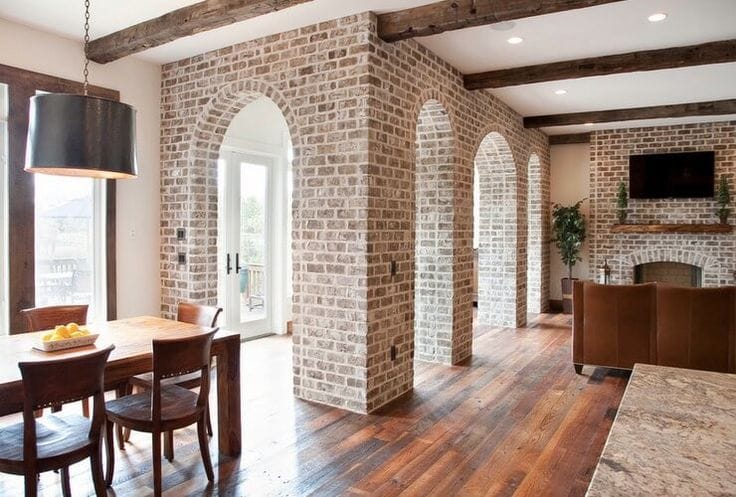
Our brick mason team in Fayetteville, NC specializes in strong, attractive brickwork that adds value and curb appeal. From new brick walls to detailed repairs, we use quality materials and proven techniques. Let us build or restore brick features that stand up to North Carolina weather for years.
Superior Masonry Fayetteville provides professional brick mason throughout Fayetteville, NC, North Carolina and the surrounding area. Our licensed, insured crew delivers safe, clean, on-time work with a free estimate before anything begins. Call (910) 335-8764 or request your free quote.
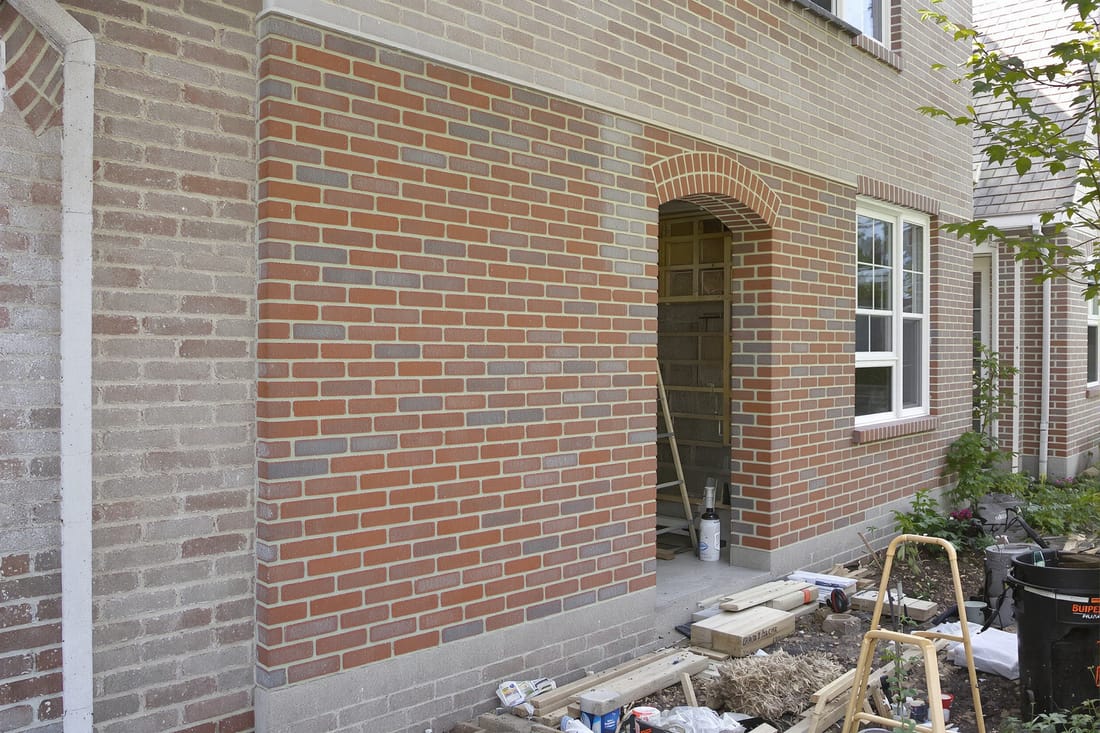
Brick Masonry Services in Fayetteville, NC
Brick work in Fayetteville is not one-size-fits-all. At Superior Masonry Fayetteville, we focus on brick masonry that fits the way homes and businesses are actually built here in Cumberland County and the surrounding Sandhills area. That means paying attention to our clay-heavy soils, summer humidity, and the way older brick homes settle over time.
When we talk about brick masonry, we are talking about any permanent structure built or repaired with brick and mortar. That includes new brick walls, porch steps, foundations, brick skirting, columns, mailboxes, planters, and full veneer on houses or additions. It also includes repair work like repointing, crack stitching, replacing spalled bricks, and tying new brick into existing walls so the repair does not stand out.
If you want a clean, straightforward explanation of what needs to be done, Superior Masonry Fayetteville will show you exactly where the damage is, what caused it, and the options to fix it. We walk the property with you, point at specific bricks, joints, and cracks, and explain in plain language what is going on so you are not guessing or relying on vague terms.
How Our Brick Masonry Process Actually Works
Every brick job starts with layout and base preparation. For a new wall, steps, or mailbox, we first mark out the footprint with string lines and stakes, then excavate to a depth suited to local frost conditions, which is usually 8 to 12 inches in Fayetteville. We compact the subgrade, install a gravel base if needed, then pour a reinforced concrete footing sized for the height and weight of the brickwork and the soil conditions on your property.
After the footing cures, we snap chalk lines and set corner leads. Corner leads are stacks of bricks built at each end of a wall that set the height, plumb, and alignment. We use a mason line stretched between corners to keep every course straight. Our masons butter each brick with mortar, tap it into place, and check level frequently. Joints are usually 3/8 inch unless we are matching existing work that used a different joint size.
We typically use a Type N or Type S mortar for brick in Fayetteville. Type N is common for above grade walls and veneers because it is strong yet flexible enough for minor movement, which is important with our expanding and contracting clay soils. Type S is used where more strength is needed, such as retaining walls or lower courses near grade. We adjust mix and additives for summer or winter conditions so mortar sets correctly and bonds to the brick.
As we work, we strike the joints using a jointer tool to compact the mortar and create the finish profile you choose. Tooled joints shed water better and resist hairline cracking, which matters in our heavy summer storms. At the end, we brush and sponge the wall to remove smears and check alignment from multiple angles so the finished work looks right from the street and up close.
Brick Options, Patterns, and Matching Existing Work
Brick selection in Fayetteville is not only about color. It also affects durability, availability, and cost. Superior Masonry Fayetteville works with several regional brick suppliers, so we can source standard modular bricks, oversized formats, tumbled or antiqued bricks, and specialty shapes for sills and arches. We will show you sample boards and, when possible, physical brick samples, then compare them to your existing home so the new work does not clash.
For new builds or larger projects, we discuss bond patterns. Common choices include running bond (most typical for walls), stack bond (more modern look, less forgiving structurally), Flemish and English bonds (classic and more detailed, used for accent walls or historic style homes), and basketweave or herringbone patterns for patios, landings, and walkways. Pattern choice changes the labor time. For example, a herringbone landing with brick borders takes more layout and cutting than a simple running bond, which will affect cost.
Matching existing brick on older Fayetteville homes can be challenging because many original brick lines are no longer produced. In those cases, we identify close matches on color and texture, then use bond pattern, mortar color, and brick arrangement to blend the new work. Sometimes we will use salvaged brick from selective demolition on your own property to get an exact match. When that is not possible, we place the closest match in less visible areas and keep the original brick in the focal points, such as front steps or porch faces.
What Affects Brick Masonry Cost in Fayetteville
Customers often want to know why one brick job is more expensive than another that looks similar from a distance. The main cost drivers are access, foundation or footing work, brick type and pattern, demolition and disposal, and the level of detail in the finish.
Access matters because in many Fayetteville neighborhoods, especially older areas with tight side yards or steep driveways, moving brick, mortar, and tools to the work area takes more time. If scaffolding is needed for tall walls or chimneys, that adds setup and breakdown time. Foundation work is another big factor. A simple mailbox on a standard footing costs far less than a retaining wall that needs engineered footings and possibly drainage tile because of a slope in the yard.
Brick type and pattern influence material and labor. Standard modular brick in running bond is the most cost-effective. Handmade, tumbled, or oversized bricks cost more per unit. Patterns that require more cutting or layout, like herringbone or complex borders, drive up labor hours. If we are replacing or tying into existing brick, we may need to carefully remove and salvage good bricks, cut out cracked or bulging sections, and tie new masonry back into sound structure with wall ties or helical bars, which also affects price.
Before we quote a job, Superior Masonry Fayetteville inspects for hidden issues such as soft mortar, loose sections that have separated from the backing wall, moisture intrusion from failed flashing, or grade issues causing water to pool at the base. Addressing these is often cheaper to do while the wall is already opened up. We provide a written scope that lists what is included so you can compare apples to apples if you get multiple estimates.
Common Brick Problems in Fayetteville and How We Fix Them
Our climate and soil create certain recurring brick issues around Fayetteville. One is stair-step cracking along the mortar joints, often caused by minor foundation settlement or tree roots pushing against a footing. We evaluate whether the movement is active or historic. If stable, we may grind out failed mortar joints and repoint with compatible mortar, and in some cases install crack stitching with helical bars embedded in epoxy to tie the wall together.
Spalling bricks, where the faces flake or pop off, usually result from moisture penetration combined with freeze-thaw cycles and, occasionally, prior use of harsh pressure washing or incompatible mortar. We remove damaged bricks individually, cut back to solid material, install new bricks with matched size and texture, and adjust mortar color to blend. For repeated spalling near grade, we may recommend adjusting grading, adding drainage, or applying breathable sealers on vulnerable areas.
Bulging or leaning sections of brick veneer on homes often reveal failed or missing wall ties, improper weep holes, or rot in the backing structure. Superior Masonry Fayetteville opens limited sections to see what is behind the brick. Repairs may involve adding new ties, reinstalling proper flashing and weeps around windows and doors, and rebuilding sections with correct air spaces so the wall can drain and dry as it should.
On porches and steps, loose or rocking bricks are usually tied to movement in the underlying concrete or water getting under the treads. We stabilize the base, replace cracked pieces, and reset bricks with full mortar beds. We also slope treads slightly so water runs off instead of sitting, which helps prevent future issues.
Timing, Permits, and What to Expect When We Are On Site
Brick masonry is sensitive to temperature and moisture, which matters in Fayetteville where summers are hot and humid and winters are mild but can still dip below freezing. The ideal times for non-emergency brick work are spring and fall when temperatures are moderate. In summer, we start earlier in the day, shade work areas when needed, and adjust mortar to prevent rapid drying. In winter, we avoid laying brick when temperatures are below freezing or expected to drop quickly and we use cold weather masonry practices if work must continue.
For most residential brick projects like steps, mailboxes, small retaining walls, or veneer repairs, the permitting needs are minimal, but they can vary by location and size of the structure. Superior Masonry Fayetteville can advise you when a permit or engineering input is needed, especially for taller structural walls, major additions, or work close to property lines.
On site, you can expect a straightforward routine. We protect nearby siding, windows, and landscaping with plastic and plywood where needed. Masonry work creates dust and some noise, mainly from saws and chisels, but we confine cutting areas and clean up daily. We mix mortar in designated spots to keep splatter away from driveways and plantings. At the end of the job, we haul away debris, rinse down paved areas, and walk the job with you so you can check joints, alignment, and cleanup before we consider the project complete.